
Overview
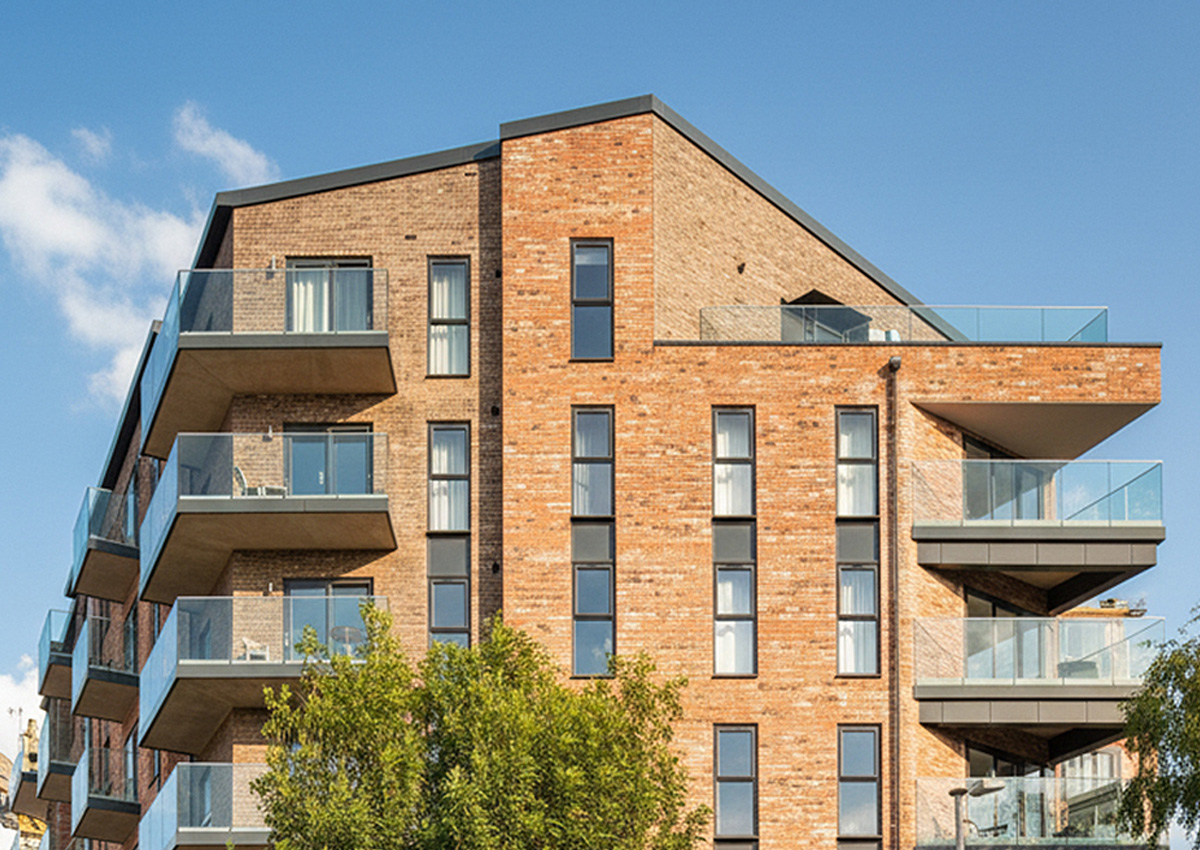
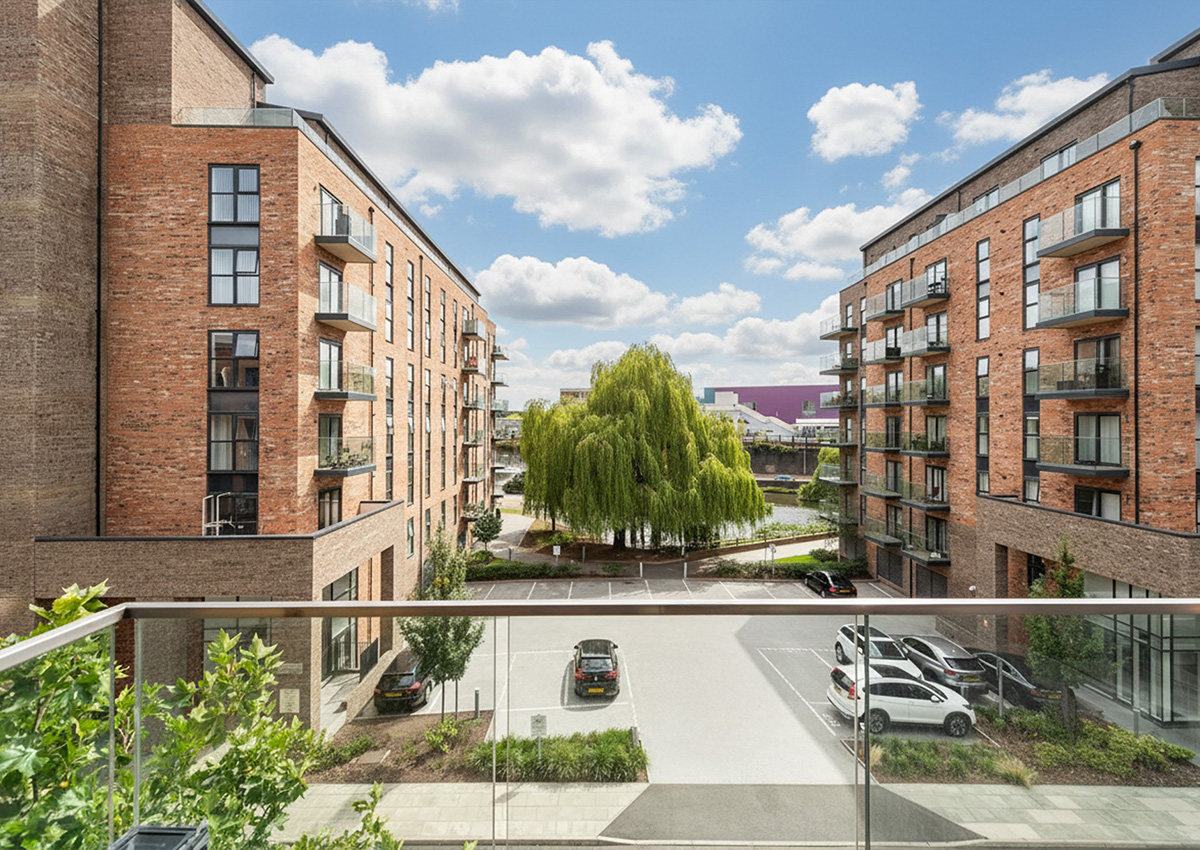
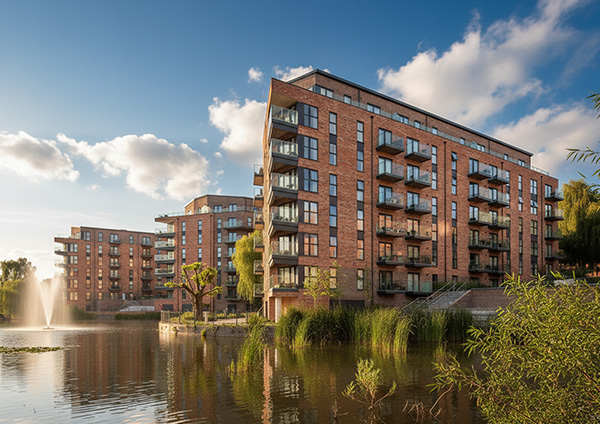
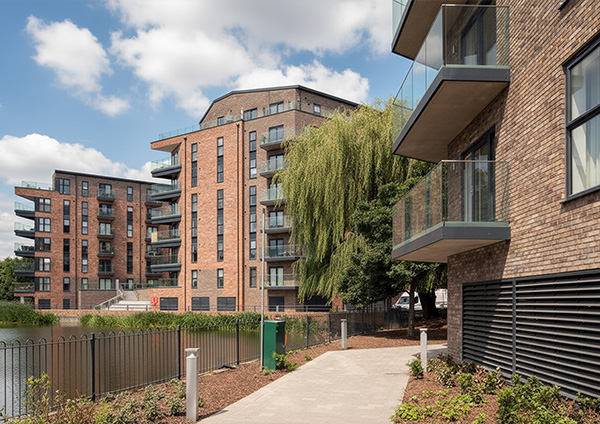
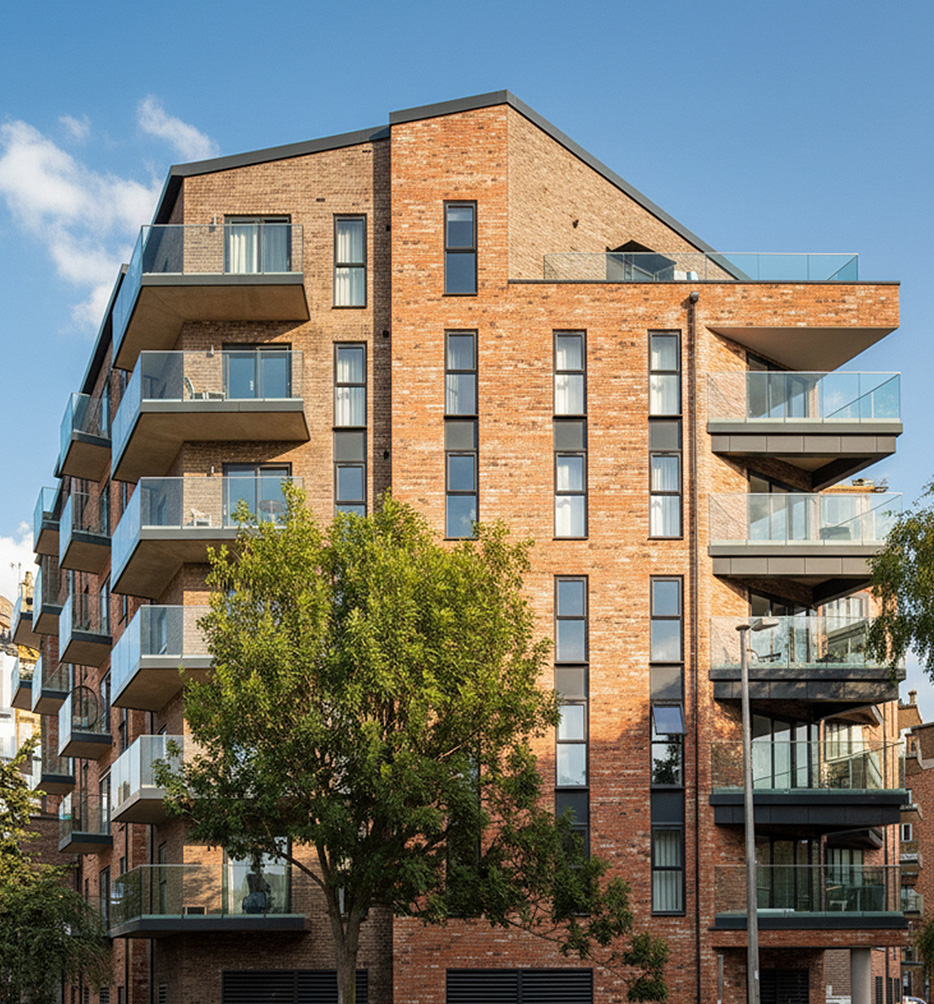
Langley Square is a 740-unit, mixed-use, developer-led residential estate comprising mid- and high-rise buildings, including Higher-Risk Buildings (HRB) subject to the Building Safety Act 2022. The development operates through a layered legal and Resident Management Company structure, with shared infrastructure, commercial tenants and significant HRB obligations.
BPM was appointed following a period of instability under the previous managing agent. Concerns had escalated formally through the managing agents complaints process and beyond, with issues including incomplete handover documentation, financial opacity, delayed compliance actions and a breakdown in trust between the managing agent, directors and residents. The project was not a simple routine mobilisation. It required a structured reset of governance, operations and stakeholder confidence across a large and operationally sensitive estate.
The appointment also came with wider complexities. Articles of Association and Memorandum, written to embed the agent to the estate, incomplete building safety information and understandably disengaged residents, all at a point when the estate desperately required stabilisation. The instruction therefore demanded more than continuity. It required visible leadership, intricate landlord and tenants act consultation, and property management at scale capable of restoring order without losing the personal touch expected by both the RMC and the wider resident body.
The Challenge
At the point of appointment, Langley Square required immediate intervention across financial transparency, compliance oversight and implementation.
Key issues included:
- Delayed transfer of financial records and core management information
- Building Safety Act obligations requiring structured oversight across the Higher-Risk Building elements
- Reserve strategy misalignment
- Erosion of confidence within the RMC and the wider resident body
- Conflicted governance clauses that limited the RMC
- TUPE transfer of on-site teams requiring immediate operational stabilisation
This was a complex estate with several moving parts, legal layers and stakeholder interests. It needed immediate financial clarity, compliance discipline and control proportionate to its size and profile. Just as importantly, it needed confidence to be rebuilt. The relationship between residents, directors and managing agent had become strained, and the estate needed a more transparent and accountable management structure in order to move forward.
The challenge was therefore twofold: to stabilise the estate operationally and to rebuild trust in the management function itself. BPM had to take control of a difficult handover, create a reliable management baseline and demonstrate from the outset that complex estates can be managed with both rigour and responsiveness.
Our Solution
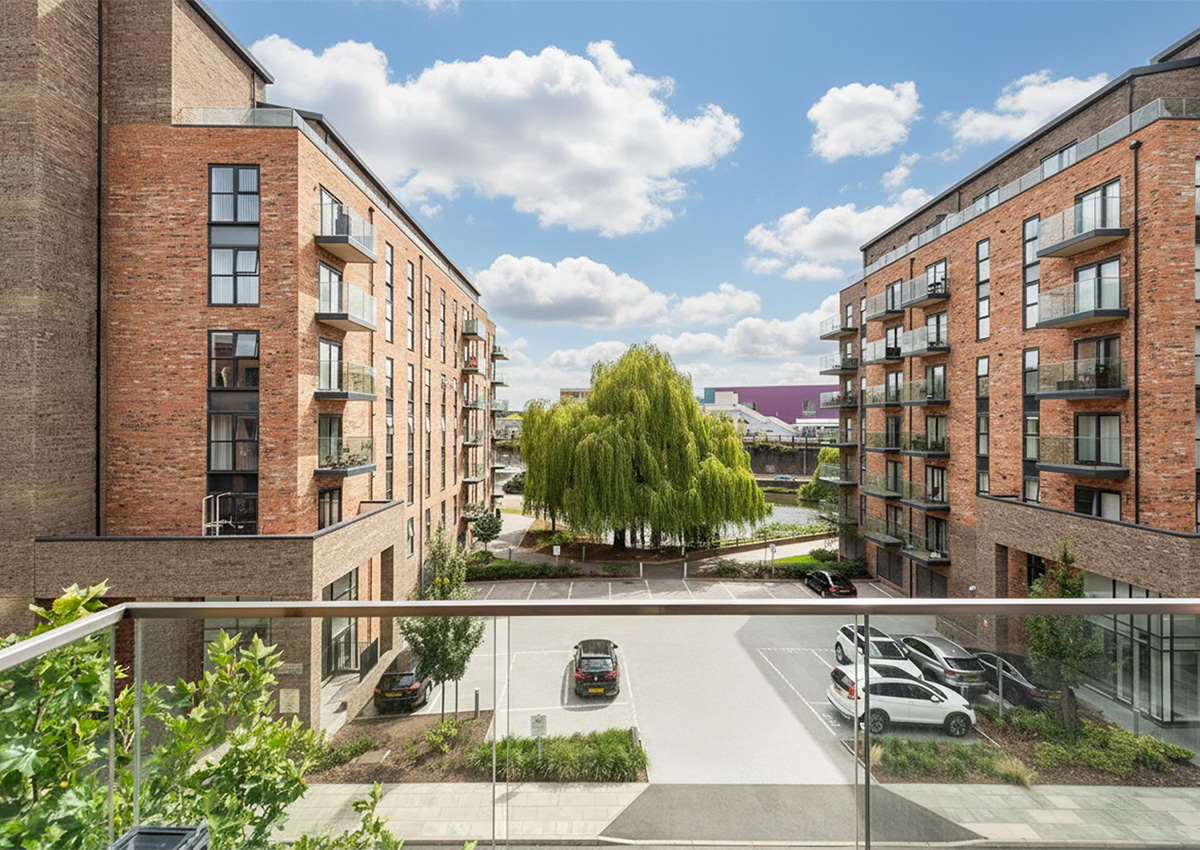
BPM implemented a structured transition plan focused on financial reconciliation, compliance consolidationm and site stabilisation. From the outset, the objective was to establish control quickly while putting in place systems to support long-term management across the estate.
A full review of historic expenditure, reserve allocations and arrears exposure was undertaken to establish an accurate financial baseline across the 740-unit development. This brought clarity to the estate’s financial position and enabled decisions to be made on the basis of verified information, creating the conditions for more disciplined financial management going forward.
At the same time, compliance records and estate documentation were reorganised to align with Building Safety Act requirements. Fire safety records, statutory inspections and remedial actions were brought into a clearer structure, improving oversight. Where key operations and maintenance files were incomplete or inaccessible, the focus was on recovery, allowing management to move from reactive to controlled.
BPM also worked closely with the RMC to establish clearer RMC Director responsibilities. Reporting cycles were formalised (weekly) and monthly meetings introduced. This made decision-making more structured, improved communication between residents helped rebuild confidence by making management more visible, accountable and dependable.
Alongside governance and compliance work, contractor performance was reviewed and reset where necessary, with stronger verification controls introduced prior to payment. This added a further layer of cost control and accountability, helping ensure that the service delivery matched the estate’s requirements.
The transition also involved the TUPE transfer of the on-site team, which required immediate operational stabilisation. Managing that process carefully was an important part of restoring continuity on-site and aligning service delivery with BPM’s standards.
Where governance issues were limiting effective control, BPM worked with specialist legal advisers to resolve conflicted clauses and restore proper oversight. Combined with resident engagement and clearer communication, helped move Langley Square to a more managed.
At Langley Square, management was not about continuity. It was about resetting governance, restoring clarity and creating a stable foundation for long-term performance.

Key Initiatives
1.
Established a clear financial baseline through reconciliation of historic expenditure, reserves and arrears.
2.
Consolidated compliance processes in line with Building Safety Act requirements.
3.
Recovered, organised and centralised fire safety and statutory documentation.
4.
Introduced structured governance, including defined reporting cycles and accountability meetings
5.
Strengthened contractor oversight with improved verification and cost control procedures
6.
Stabilised on-site operations following TUPE transfer of concierge and cleaning teams.
The Result
Langley Square moved from a position of operational instability to one of clearer control, stronger governance and more structured oversight. By establishing a reliable financial baseline, reorganising compliance records and introducing clearer reporting and accountability measures, BPM helped create a more stable and transparent management framework across the estate.
For the RMC and directors, this meant greater visibility, clearer decision-making and renewed confidence in the way the development was being managed. For residents, it meant a more consistent and accountable management approach, supported by improved communication and a stronger operational structure on site.
Just as importantly, the project laid the foundations for long-term resilience. Rather than treating the instruction as a short-term handover, BPM used the transition to reset governance, strengthen compliance discipline and restore trust across a complex stakeholder environment. Langley Square now stands as an example of how a large, layered estate can be stabilised through structured management, clear leadership and careful stakeholder coordination.